

How can one man be eligible for citizenship in four countries? Birthright, permanent residence, having a grandparent born in another country, or changes in governmental jurisdiction over the place you were born can all qualify you for citizenship. But proving that you qualify and applying can sometimes be a long and confusing process.

In Ireland, Italy and elsewhere, obtaining a foreign passport is a two-pronged process. First you must prove your right to citizenship in the foreign country (and register the birth), then you apply for the passport. In the case of the United Kingdom, however, it can all be rolled into one step. There are usually a few ways in which you can qualify for citizenship. Most of the foreign passports I have obtained for clients are done by proving that they had a grandparent born in the foreign land. As long as that grandparent was not naturalized in America before the applicant's father was born, the applicant is qualified "by descent."
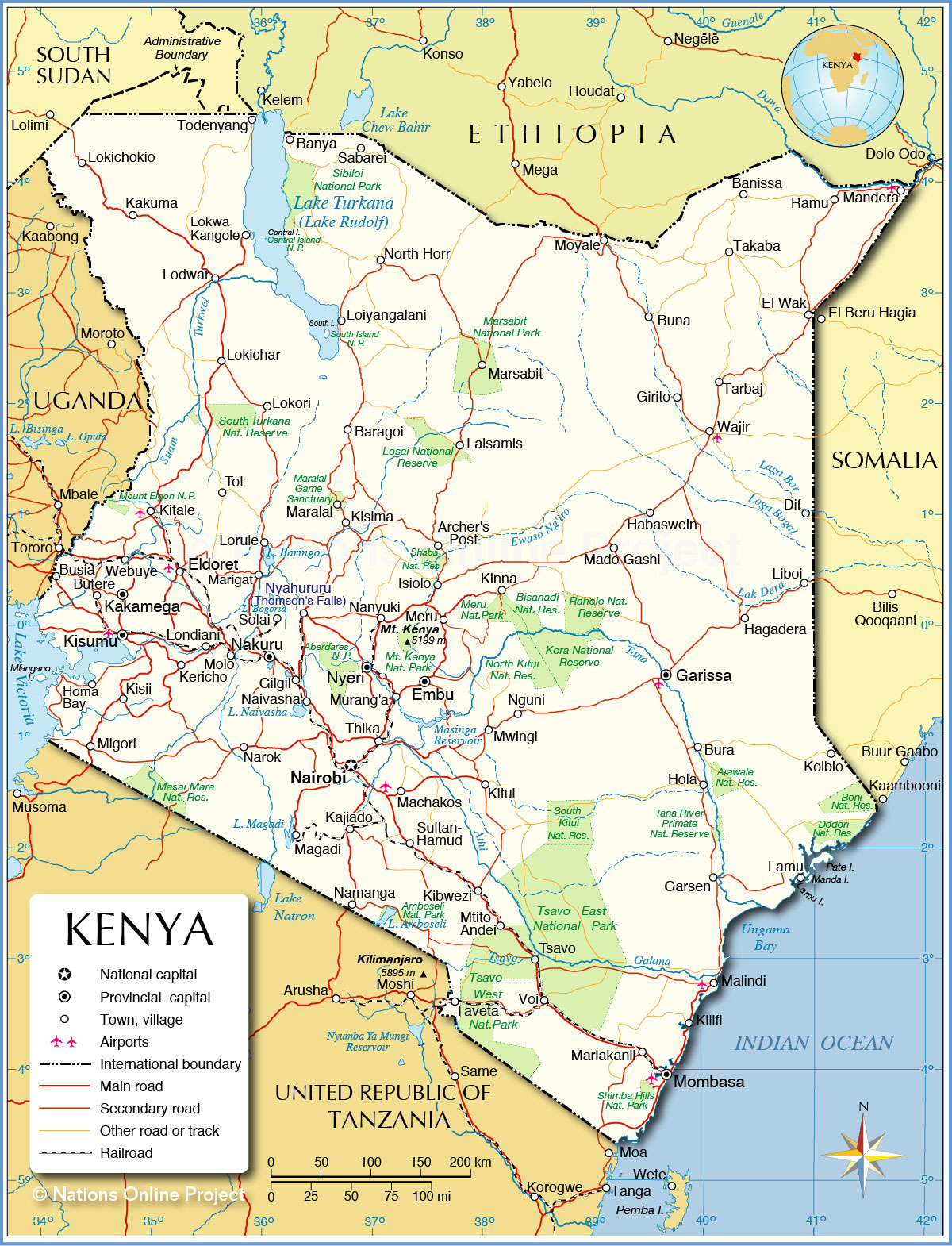
 When our eldest son was born, I tried to have his birth registered in England. If I had been successful he could have just applied for the passport today as any English citizen would. Although my husband is English, he wasn't born in England: he was born in Kenya! At the time of his birth in 1960, Kenya was a Protectorate of the UK, which is why he was granted UK citizenship. All children born in Kenya at that time are eligible for UK citizenship themselves, but not all are able to pass eligibility down to their children. The only way he could pass down his UK citizenship status to our children was if he were a UK citizen "otherwise than by descent," and that pretty much means either a natural-born citizen or someone allowed to qualify as such because of some special exceptions written into the law. The UK did not accept the application to register our son's birth because my husband was not born on UK soil, and thus they concluded he was a citizen "by descent."
But we got lucky and qualified under one of the exceptions. My father-in-law was sent to Kenya by the UK government to work in schools there, so my husband's birth is treated as though he were born in the UK, therefore he actually can pass down his citizenship status. When I originally tried to register our son's birth, I had not known this, but we now have a letter issued by the UK government which states that at the time of my husband's birth his father was in Kenya working for the UK government, so all I need to do is send that letter plus the original birth certificate.

But we got lucky and qualified under one of the exceptions. My father-in-law was sent to Kenya by the UK government to work in schools there, so my husband's birth is treated as though he were born in the UK, therefore he actually can pass down his citizenship status. When I originally tried to register our son's birth, I had not known this, but we now have a letter issued by the UK government which states that at the time of my husband's birth his father was in Kenya working for the UK government, so all I need to do is send that letter plus the original birth certificate.

The next obstacle is that I don't have an original birth certificate: all I have is a photocopy. I wanted to see how difficult it is to obtain a Kenyan birth certificate so I went to the central website for civil registration in Kenya. It looked promising –– under the proper district I got a name and email address (info@births.go.ke) and sent a request off to them. Sadly, my email was returned as "unsendable" a few days later. I also checked the catalog of the Family History Library in SLC, and not surprisingly, they had no civil registration or church records for Kenya.
Yet I knew that the British have been diligent about registering overseas births for many years, and on the Kenyan Consulate's website I found a very clear explanation of how the whole process works. I was then able to order two copies of his birth certificate (Certificate of Overseas Birth) from the UK General Records Office (GRO). I'm fairly sure they will not look at all like the photocopy of the one issued in Kenya. Once those arrive I can attach them to the forms, send photos, son's birth certificate, my birth certificate, our marriage certificate, and a big fat check to the British Embassy in Washington DC, and he should be good to go!
The funny thing is, my husband is English, but could have applied to become a Kenyan since he was born there. He could become an American too, and may yet. And in addition, since he has a grandparent (three out of four, actually) born in Ireland, he could also apply for Irish citizenship! So he could have four passports if he wanted! He's a simple kind of guy, though, and I suspect he'll stick with just the one.


